Hardwood Floor Water Damage in Stoney Run: Save or Replace
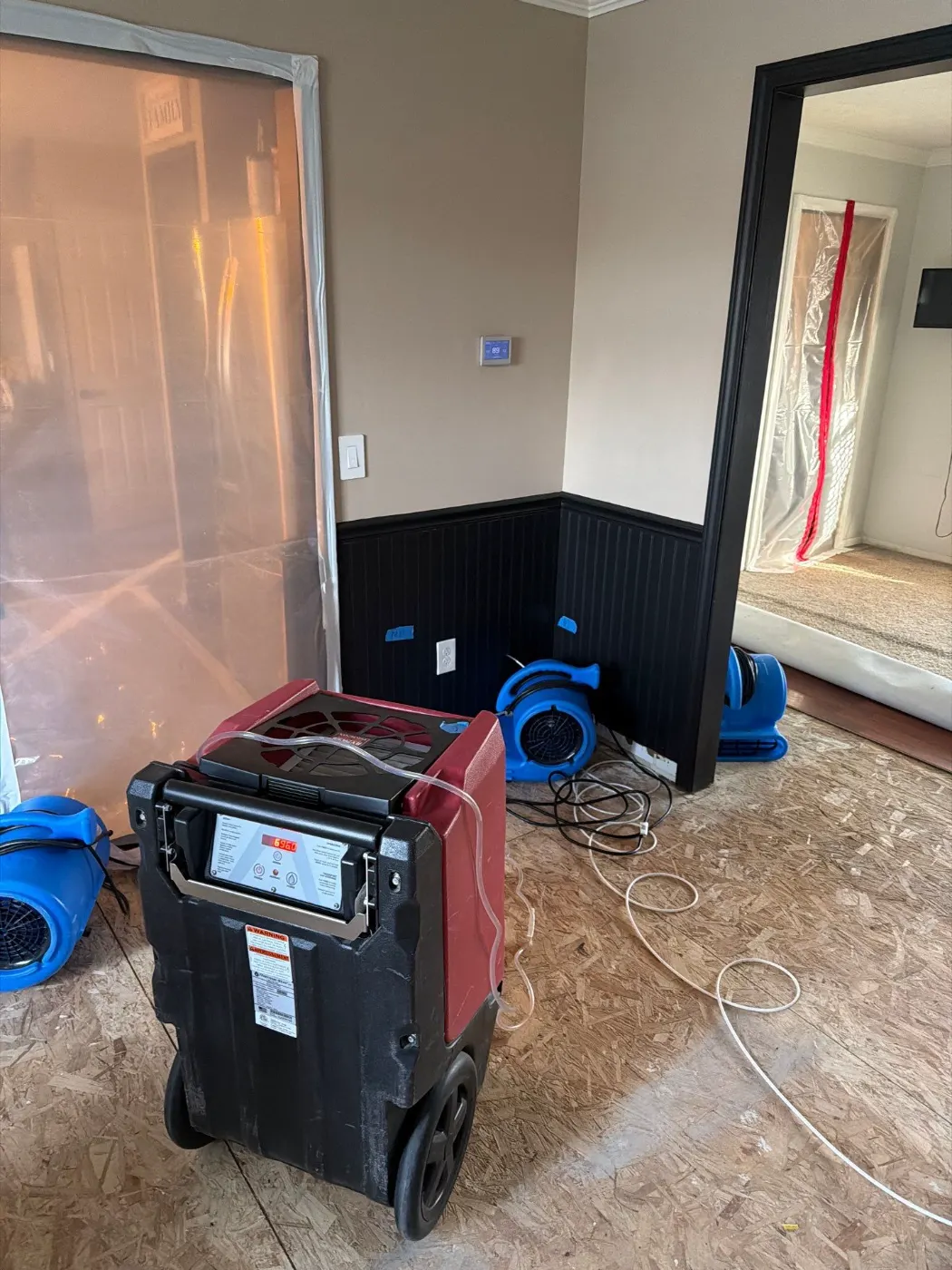
Water on hardwood is one of the most stressful sights for any Stoney Run homeowner. The planks darken, the seams swell, and within hours you start seeing cupping along the edges. The question hits fast: can these floors be saved, or are you paying to replace the entire room? At Stoney Run Water Restoration, we get this call several times a week from homeowners across central Indiana, and the honest answer depends on three things: how long the water sat, what category of water it was, and what kind of hardwood you have under your feet.
This guide walks you through the decision the same way our IICRC certified techs walk a homeowner through it on site. You will see the signs that point toward salvage, the signs that point toward replacement, realistic drying timelines, and what insurance typically covers in Stoney Run. We built Stoney Run Water Restoration in 2018 on a simple promise: if we cannot help, we will tell you directly. That applies here too. Sometimes the smartest call is aggressive drying. Sometimes it is a controlled tear out. Knowing the difference saves you thousands.
If water is still sitting on your floor right now, stop reading and call. Every hour matters with hardwood.
Quick Answer: Can Your Hardwood Floor Be Saved?
If clean water sat on solid hardwood for less than 24 hours and drying starts immediately, salvage odds are strong. If water sat 48+ hours, came from a sewage source, or your floor is engineered with a thin wear layer, replacement is usually the realistic path. The chart below gives you the snapshot, and the sections after explain why.
Save vs Replace at a Glance
| Condition | Likely Outcome |
|---|---|
| Solid hardwood, clean water, dried within 24 hrs | Save with professional drying |
| Solid hardwood, clean water, 24-72 hrs wet | Save possible, refinish likely |
| Engineered hardwood, any duration over 12 hrs | Usually replace affected planks |
| Category 2 (gray water) saturation | Replace, treat subfloor |
| Category 3 (sewage) contact | Replace, full remediation |
| Visible buckling or crowning | Replace affected sections |
The IICRC Water Categories That Decide Everything
Before deciding save or replace, you have to know what touched your floor. The IICRC defines three categories, and this drives both the restoration plan and what your insurance adjuster will approve.
- Category 1: Clean water from supply lines, refrigerator lines, or rainwater through a roof. Best salvage odds.
- Category 2: Gray water from dishwashers, washing machines, or aquariums. Contains contaminants. Salvage possible but limited.
- Category 3: Black water from sewage, toilet overflows past the trap, or flood water. Hardwood almost always gets removed.
If your damage came from a toilet overflow or Category 3 source, replacement is the safe call regardless of how good the planks look. Porous wood cannot be reliably sanitized. Keep in mind that a Category 1 event can degrade to Category 2 within 48 hours, and to Category 3 after 72 hours, simply because bacteria multiply in standing water. Time is not just about drying, it is about category.
What To Do Right Now
- Shut off the water source if you safely can
- Remove rugs, furniture, and anything porous from the area
- Blot standing water with towels, do not push water into seams
- Turn HVAC to circulate, but do not crank heat (that worsens cupping)
- Photograph everything before cleanup for your claim
- Call a certified pro within the first 24 hours
- Do not sand, refinish, or nail anything down until moisture readings confirm the subfloor is dry
Professional Drying Process for Salvageable Floors
If your floor is a candidate to save, here is what proper drying looks like. Surface fans alone will not get it done.
- Extraction: Standing water removed within hours. See our breakdown on water extraction and standing water removal for the equipment side.
- Specialty mats: Hardwood drying mats create negative pressure that pulls moisture up through the planks.
- Dehumidification: Commercial LGR dehumidifiers run continuously, often for 5 to 10 days.
- Monitoring: Daily moisture readings logged for the insurance file.
- Refinishing: Once dry, light sanding and resealing addresses minor cupping.
Expect the drying phase to feel slow. Pulling water out of dense oak or maple at the pace the wood can release it without cracking takes patience. Rushing the process with too much heat causes crowning, which is harder to correct than cupping. Stoney Run Water Restoration sets target moisture content based on the unaffected areas of the same floor, usually 7 to 10 percent depending on the season in Stoney Run.
Signs That Point to Save
- Cupping is mild and uniform across the affected area
- Moisture readings drop steadily over the first 72 hours of drying
- No dark staining at plank seams
- Subfloor moisture below 16 percent within a week
- Source was clean (supply line, ice maker, rain)
- Planks remain firmly attached to the subfloor
- No musty odor developing after 48 hours of drying
Signs That Point to Replace
- Buckling or planks lifting off the subfloor
- Black staining that does not lighten with drying
- Soft, spongy feel when you walk across it
- Visible mold growth at edges or under transitions
- Engineered flooring with delaminated wear layer
- Any Category 3 water contact
- Gaps between planks wider than the original installation
Why Hardwood Reacts So Fast to Water
Wood is hygroscopic. It pulls moisture in and releases it slowly. When a dishwasher line lets go or a supply line bursts overnight, the planks swell from the bottom up. You see three stages:
- Cupping: Edges rise higher than the center. First 12 to 48 hours.
- Crowning: Center bulges above the edges, usually after improper drying.
- Buckling: Planks separate from the subfloor entirely. Replacement territory.
The subfloor matters as much as the surface. Plywood holds moisture longer than the planks above it, which is why surface drying alone fails. Our Stoney Run Water Restoration crews in Stoney Run use penetrating moisture meters at multiple depths before declaring anything dry.
Solid vs Engineered: Why It Matters
Solid hardwood is typically 3/4 inch of the same species throughout, which means it can be sanded and refinished multiple times after a water event. Engineered hardwood is a thin veneer (often 1 to 4 millimeters) glued over plywood layers. Once that veneer absorbs water, the adhesive bond weakens and the wear layer delaminates. Even when engineered planks look fine on top, the substrate below is usually compromised. That is why our Stoney Run technicians almost always recommend plank replacement for engineered floors that sat wet more than half a day.
Realistic Costs in Stoney Run
| Scope | Typical Range |
|---|---|
| Emergency extraction and setup | $800 to $2,500 |
| Specialty hardwood drying (5-10 days) | $2,500 to $6,000 |
| Refinish after successful drying | $3 to $8 per sq ft |
| Full replacement, solid oak | $10 to $18 per sq ft |
| Full replacement, engineered | $8 to $14 per sq ft |
Most Stoney Run homeowners file under their homeowners policy for sudden and accidental discharge. Gradual leaks are usually excluded. For a deeper look at pricing logic, the complete water damage restoration cost breakdown covers the full range. When weighing save against replace, factor in that a successful dry plus refinish often runs 40 to 60 percent of full replacement cost, and it preserves the original character of older floors that cannot be matched with new stock.
Get an Honest Read Before You Tear Anything Out
If your hardwood is cupping, darkening, or feeling soft underfoot anywhere in Stoney Run, the worst move is waiting to see if it dries on its own. Air looks dry. Subfloors are not. Stoney Run Water Restoration will come out, take real moisture readings, and tell you straight whether your floor can be saved or whether replacement is the smarter call. BBB A+, IICRC certified, and on the road 24 7 across central Stoney Run. Call when you are ready for a straight answer.
Frequently Asked Questions
How quickly do I need to act on wet hardwood in Stoney Run?
Within 24 hours gives you the best odds. Stoney Run Water Restoration runs 24/7 emergency response across Stoney Run and Central Indiana because every hour of dwell time reduces what we can save.
Will insurance cover hardwood floor water damage?
Most policies cover sudden and accidental discharge from plumbing or appliances. Flood and long-term seepage typically are not covered. Stoney Run Water Restoration documents every Stoney Run job to support your claim.
Can cupped hardwood floors flatten back out?
Often yes, if drying starts within 48 hours and moisture is pulled from below. We have flattened plenty of cupped floors in Stoney Run homes without replacement, though refinishing is usually needed after.
What is the difference between solid and engineered hardwood for water damage?
Solid hardwood can usually be dried and refinished. Engineered plank with an HDF core often delaminates once wet and cannot be saved. Stoney Run Water Restoration inspects the core before recommending an approach.
Should I rip up the floor myself before Stoney Run Water Restoration arrives?
No. Document with photos, stop the water source, and wait. Removing boards prematurely can void insurance coverage and destroy evidence of the category of water loss.
Have a restoration question?
Our IICRC certified Stoney Run crew is ready to help. Free assessments, estimate based on what we can sees, no pressure.